
What Pests Are Most Common in Eastern Suburbs Apartments?
The most common apartment pests in the Eastern Suburbs are cockroaches, ants, rodents, bed bugs, spiders, and occasional invaders, with termites posing a less visible but higher impact risk. Pest pressure varies by building age, maintenance standards, nearby construction, and proximity to parks or coastal areas.
Older converted terraces in Paddington and mixed-era buildings in Rose Bay can have more gaps, voids, and ageing services. Combine that with bin rooms, rubbish chutes, shared laundries, and warm weather, and pests get the food, water, and shelter they need.
Cockroaches (especially in kitchens, laundries, and bin rooms)
Pest control Eastern Suburbs services are often essential for apartments, where cockroaches thrive because moisture and food scraps are always nearby—especially around sinks, dishwashers, laundries, and rubbish areas. Warm wall cavities and shared pipe runs give them ideal nesting spots, making infestations harder to eliminate completely.
Cockroaches often enter through gaps under doors, service penetrations under sinks, vents, and cracks around skirting boards. DIY sprays commonly fail because the nest is usually in a void or even a neighbouring flat, leading to a recurring re-infestation cycle.
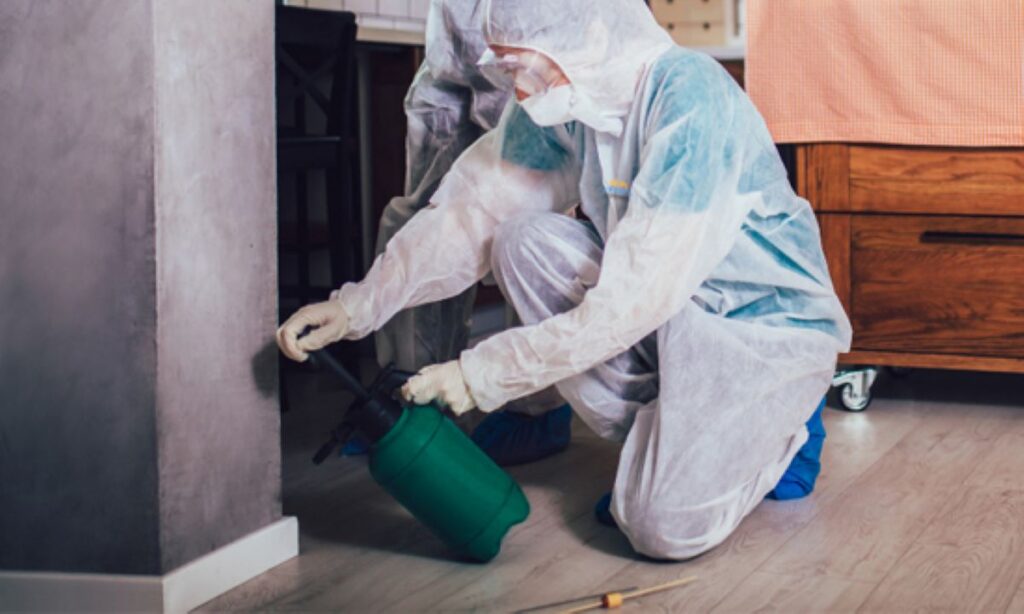
A stronger approach used by pest control Eastern Suburbs professionals involves targeted treatment, sealing key entry points, and scheduling a follow-up recheck to confirm the infestation is fully under control.
Bed bugs (fast spread between units)
Bed bugs spread quickly in flats because they move with people and belongings, not because the home is “dirty”. Visitors, luggage, shared hallways, and second-hand furniture are common triggers.
Same-day response matters because delays increase the chance of spread to adjacent units. A safe plan starts with a detailed inspection, then a targeted treatment based on where activity is found, with follow-up visits if required to catch late hatchers.
Ants (trails, nests, and recurring invasions)
Ant issues in flats usually show up as kitchen trails, repeated “mini invasions”, balcony nesting, or colonies inside wall voids. They keep returning when the nest is untouched or the wrong treatment is used.
Correct identification is key because different ants respond to different baits and strategies. This is where detailed inspections and ant infestation identification make a practical difference, since the best treatment depends on the species and nesting location.
Spiders and occasional invaders (including wasps)
Spiders often appear around balconies, window frames, and storage cages because lights attract insects and clutter provides shelter. Wasps and other occasional invaders tend to spike seasonally, especially near garden edges and eaves.
Best practice is exterior perimeter treatments where appropriate, sealing gaps, and reducing attractants such as insects around lights. For indoor areas, eco-friendly options and child- and pet-friendly methods can be used when suitable.
Rodents (rats/mice) in older buildings and shared basements
Rodents are common in basements, car parks, storage rooms, bin areas, and ceiling spaces, particularly in older buildings with more entry points. Once established, they become a building-wide issue through shared service ducts and voids.
An integrated approach works best: inspection to find runways and entry points, targeted baiting or trapping, exclusion and sealing, and follow-up checks. Without exclusion, rodents often return even after successful knockdown.
Termites (less visible, higher impact)
Termites can still affect apartment complexes even if your unit is above ground. They can access structures via subfloors, garden beds, perimeter walls, and adjacent buildings.
The risk is not how often you see them, but how much damage can occur if they are missed. Regular inspections and proven termite control methods are the safest way to reduce long-term repair costs, especially in buildings with timber elements or landscaped perimeters.

Do Apartment Buildings in the Eastern Suburbs Require Regular Pest Control?
Yes, most apartment buildings in the Eastern Suburbs benefit from regular pest control because shared infrastructure makes re-infestation more likely. A practical baseline is routine treatment or inspection every 6–12 months, adjusted for building risk, seasonality, and past activity.
For residents and strata in areas like Rose Bay and Paddington, consistency matters more than intensity. High standards, proven methods, and a timely approach are usually more cost-effective than waiting for outbreaks and paying for repeated emergency call-outs.
A realistic pest control schedule for most apartments
For many apartments, a 6–12 month routine works well for general pests such as cockroaches, ants, spiders, and rodents. Buildings with higher foot traffic, frequent deliveries, or known history of pests often do better on a quarterly schedule.
Prevention is typically cheaper than reactive treatment in shared buildings because one untreated source can restart the problem. Treatment time varies depending on infestation severity and apartment size, so a small unit with light activity is usually quicker than a larger apartment with multiple hotspots.
When you should do it more often (high-risk triggers)
You should increase frequency if you see recurring cockroaches or ants, have frequent tenant turnover, or live near construction that disturbs nests and rodent pathways. Poor waste management, basement moisture, and older building fabric also raise risk.
Warm months usually increase pest activity, so booking before peak periods helps reduce outbreaks. Same-day pest extermination is useful for sudden surges like bed bugs or heavy roach activity, but it does not replace a preventative schedule.
Other Resources : Integrated pest management | EPA
What ‘regular pest control’ should include (not just spraying)
Regular pest control should start with inspection, then a customised plan, followed by targeted treatments, sealing entry points, and follow-up inspections. That sequence is what stops the loop of “treat, disappear, return”.
In flats, sealing and follow-up are crucial because pests can re-enter via neighbouring units and common areas. Safe methods can include eco-friendly products and child- and pet-friendly options when suitable, depending on the pest and treatment area.
How building-wide (strata) programmes reduce re-infestation
Building-wide programmes reduce re-infestation because they treat the shared sources, not just the visible symptoms in one unit. Coordinated plans typically cover common areas plus problem units, which is where most infestations start or persist.
Key common areas include bin rooms, rubbish chutes, car parks, gardens, mailrooms, and shared laundries. Over time, this approach usually means fewer call-outs, more consistent results, and better value, especially when paired with detailed inspections and competitive pricing.
How Do Shared Walls and Units Affect Pest Problems in Apartments?
Shared walls make pest control in apartments more complex because pests move through connected voids and services, not just through your front door. This “apartment effect” is why frequency and coordination matter more in units than in detached homes.
In Paddington conversions and older blocks, hidden pathways can be extensive. In Rose Bay, proximity to parks and coastal conditions can also influence insect activity and moisture-related issues.
Why pests move between units (the hidden highways)
Pests commonly travel through wall cavities, plumbing lines, floor and ceiling voids, electrical conduits, ducting, and balcony joins. Roaches, ants, and bed bugs are especially good at spreading quietly between units.
One untreated unit can re-seed others, which is why treating only what you can see often fails. Thorough inspections matter because they identify the source and pathways, not just the surface activity near a bin or skirting board.
Common apartment weak spots that need sealing
The most common sealing targets are under-sink pipe gaps, cracked tiles or grout, door sweeps, window frames, vents, and gaps along skirting. Even small openings can be enough for cockroaches, ants, and mice.
Sealing is part of a quality pest control plan, not an optional extra, because it reduces re-entry after treatment. A flexible, client-specific approach helps prioritise the most likely entry points for your unit’s layout and building type.
Coordinating treatments for better results (and fewer repeat visits)
Coordinating treatments usually improves results because pests rarely stay confined to one apartment. Treating adjacent units where needed, scheduling common areas, and sharing resident preparation steps can reduce repeat visits.
A consistent and timely approach also matters, especially when follow-up inspections are used to confirm control. In practice, privacy and permissions mean coordination often requires strata or landlord involvement, so early communication helps prevent delays.
Who Is Responsible for Pest Control in Eastern Suburbs Apartments — Tenants or Landlords?
Responsibility depends on the lease terms, what caused the issue, and whether it existed at the start of the tenancy. The most practical approach is to document the problem early, arrange an inspection to identify the source, and then allocate responsibility based on evidence.
Because apartments share risks, strata may also be involved when common areas or building defects contribute. Tailored packages can help match different budgets and property types without compromising treatment standards. You may like to visit https://yourindyhouses.com/pest-control-box-hill-common-pests-treatments-prevention/ to learn more about pest control Box Hill: common pests, treatments, and prevention tips.
Typical responsibility split (everyday pests vs structural issues)
Tenants often manage minor pest issues linked to day-to-day living, such as ants attracted by food scraps, if the property was clean and pest-free at move-in. Landlords or owners are more often responsible when pests are linked to building defects, gaps, moisture problems, or an infestation that was present before the tenant moved in.
Termites are typically an owner or building responsibility because the risk involves structural damage and larger remedial work, not just a single-unit nuisance.
How strata fits in (common areas and building-wide risk)
Strata commonly handles pest control for common areas such as bin rooms, gardens, basements, and shared laundries. When these areas are neglected, unit-level infestations can become frequent even in clean apartments.
A routine strata schedule with thorough inspections and safe methods is often the simplest way to reduce complaints building-wide. It also helps catch issues early, before they spread into multiple units.
How to get faster approvals and better outcomes
Faster outcomes usually start with clear reporting: photos, dates, exact locations, and how often you see activity. For bed bugs, note bites, stains, and where you have checked, such as mattress seams and bed frames.
A professional inspection first can identify the source fairly, including ant species identification where needed. Once approval is granted, same-day pest extermination can be used for urgent outbreaks like bed bugs and cockroach surges.
What Signs Show an Apartment Needs Pest Control in the Eastern Suburbs?
The clearest signs are repeated sightings, evidence like droppings or stains, and any pattern that suggests the problem is growing rather than random. Acting early in apartments usually means fewer treatments and less chance of spread to neighbouring units.
If you are unsure, an inspection is often the quickest way to confirm what pest you have and how far it has travelled through voids or common areas.
Visible pests, droppings, and night activity
Seeing cockroaches during the day can indicate heavier activity, so check kitchens and laundries at night when they are most active. For rodents, look for droppings, scratching sounds in walls or ceilings, and greasy rub marks near skirting or along edges.
Prompt action matters in apartments because pests can establish in multiple units before anyone realises it. Early treatment plus sealing can prevent a building-wide cycle.
Smells, stains, and unexplained bites
Musty or ammonia-like smells can indicate rodent activity, especially in cupboards, behind appliances, or in storage areas. Unpleasant odours near kickboards and ovens can also suggest hidden nesting.
For bed bugs, watch for bites, small blood spots on sheets, and dark spotting near mattress seams. Suspected bed bugs are a strong reason to book same-day inspection or treatment to help contain spread.
Ant trails and recurring ‘mini invasions’
Recurring ant trails usually mean the nest is not being treated, or the species has been misidentified and the wrong bait is being used. Random sprays can scatter colonies and make the problem harder to control.
Professional identification and targeted baiting are often more effective in flats because nests may be in wall voids or balcony edges. Detailed inspections and ant infestation identification help ensure the plan matches the species and nesting behaviour.
Timber and moisture warning signs (termite risk)
Termite red flags include hollow-sounding timber, blistering paint, tight doors or windows, and mud tubes in garages, gardens, or other common areas. Even if you do not see termites in your flat, nearby activity can still put the building at risk.
Moisture problems also attract multiple pests, so leaks and damp areas should be addressed quickly. Termite control and regular inspections are the safest way to reduce the risk of extensive damage.
What to expect from a professional visit (so residents know it’s thorough)
A professional service should begin with inspection, then a customised plan, followed by targeted treatments, sealing entry points, and a follow-up inspection timeline. That is the difference between short-term relief and long-term control in flats.
Expect some preparation needs, such as access under sinks, along skirting boards, on balconies, and in storage areas. Treatment time varies with severity and flat size, and tailored packages can keep costs affordable while maintaining high standards and proven methods.