
Correct identification matters because each pest behaves differently, and the wrong treatment often means the problem comes straight back. A thorough inspection can also uncover hidden issues such as ant trails, cockroach harbourage points, rodent entry gaps, and moisture risks that increase termite pressure.
What Are the Most Common Pests Found in Box Hill Homes?
Pest control Box Hill services commonly deal with a range of household pests, including cockroaches, ants, termites, spiders, rodents, and bed bugs. Residents usually notice the early signs first, but the source of the problem is often hidden away in wall voids, roof spaces, subfloors, drains, or along garden edges.
Cockroaches (German and Australian)
Cockroaches commonly hide in kitchens and bathrooms, behind fridges, inside cupboards, around drains, and in wall voids. The first signs are usually droppings, egg cases, a musty smell, or night-time activity when you switch on a light.
They can contaminate food and surfaces, and their shed skins can aggravate asthma and allergies. DIY sprays often fail because they miss harbourage points, do not reach voids, and can push roaches deeper into hiding, allowing re-infestation cycles to continue.
Ants (including persistent kitchen and garden ants)
Ants typically enter through door gaps, window frames, and plumbing penetrations, then follow edges and skirting boards to food or moisture. Professionals look for defined trails, nesting sites, and what is attracting them, which is why ant infestation identification is so important.
Baits and targeted treatments usually work better than random spraying, which can repel ants and split colonies into new nesting points. You can reduce attractants by wiping benches, cleaning spills quickly, and storing sugar and pet food in sealed containers.
Termites (subterranean termites and timber pests)
Termites are high-stakes because they can cause extensive damage quietly, often before you see obvious signs. Warning signs include mud tubes, hollow-sounding timber, tight doors, and changes around skirting boards, with fine frass appearing in some timber pest scenarios.
Risk increases with moisture, timber-to-soil contact, and poor subfloor ventilation. Termite control is a specialised service that requires trained inspection, risk assessment, and a treatment plan suited to the property, not guesswork.
Spiders (including redbacks around sheds/garages)
Spiders often shelter in garages, sheds, eaves, storage areas, and under outdoor furniture. Clutter, dark undisturbed corners, and plenty of insect prey can quickly increase spider activity around the home.
Redbacks can appear around outdoor items and storage, so avoid handling webbed areas with bare hands and keep an eye out in low-traffic zones. Prevention links closely to insect control and sealing gaps because fewer insects mean less food to keep spiders nearby.
Rodents (mice and rats)
Rodent signs include scratching noises, droppings, gnaw marks, and greasy rub marks along walls. They usually enter for warmth, food, and nesting material, with seasonal surges common as the weather cools or after rain.
Beyond contamination, rodents can damage insulation and chew electrical wiring, which can become a serious safety risk. Exclusion is essential because trapping without sealing entry points often leads to repeat visits from new rodents.
Bed bugs (apartments, travel-related introductions)
Bed bugs are often introduced through luggage, second-hand furniture, or movement between adjacent units in apartments. Common signs include itchy bites, blood spots on sheets, shed skins, and activity around mattress seams and bed frames.
Urgent action matters because bed bugs reproduce quickly, and DIY efforts can scatter them into new hiding places. Many providers offer same-day pest extermination options for urgent bed bug situations, depending on availability and inspection findings.
What Pest Control Treatments Are Used in Box Hill Properties?
Treatments depend on the pest, the severity of the infestation, and the size and layout of the property, so treatment time varies. Safe application is also a priority, and eco-friendly, child and pet-friendly options are often available when appropriate.
A reliable Box Hill pest control service typically follows an end-to-end process: inspect, identify, plan, treat, exclude, then monitor. This keeps standards high while staying affordable, without cutting corners.
Step 1: Thorough inspection and accurate pest identification
A proper inspection checks internal hotspots, roof voids and subfloors, the yard perimeter, moisture points, and likely entry gaps. This matters because it finds nesting and breeding sites, not just the pests you can see.
For example, an inspection may reveal ant trails leading to a damp wall cavity, cockroach harbourage behind a fridge motor, or termite risk zones near garden beds. A transparent report should outline findings and practical recommendations based on what is discovered.
Step 2: Customised pest management plan (client-specific)
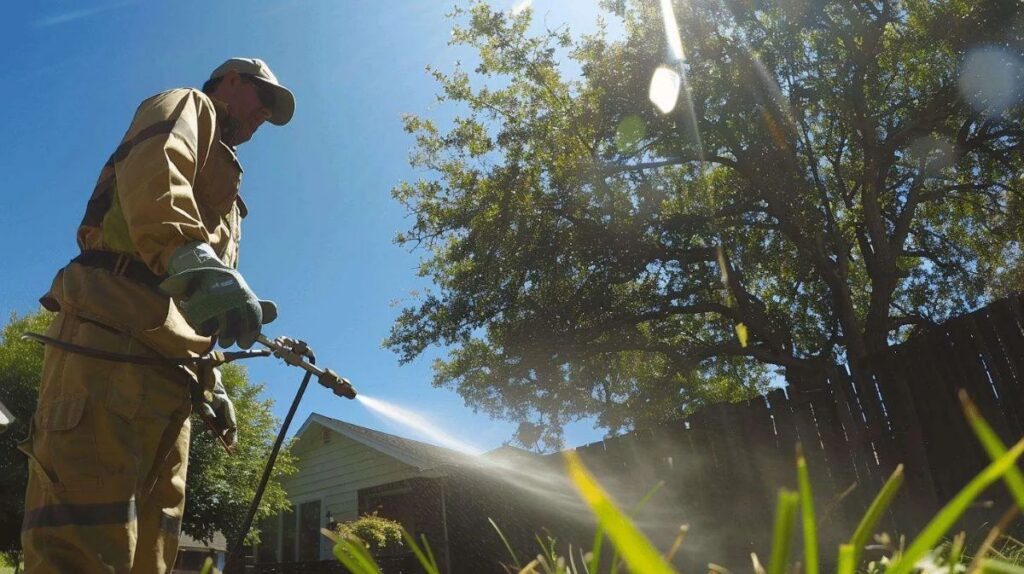
A customised plan sets out exactly what will be treated, how long it should take, and whether follow-ups are likely. Homes and businesses often need different approaches due to operating hours, compliance requirements, and sensitive areas such as kitchens or childcare spaces.
Flexible packages can suit different budgets and property types without resorting to one-size-fits-all quoting. The goal is competitive pricing with consistent outcomes, backed by proven methods and clear expectations.
Other Resources : Regional strategic pest animal management plans
Step 3: Targeted treatments (based on pest type)
Targeted treatments focus on where pests live and travel, rather than blanket spraying. For cockroaches, this often includes gel baits, crack and crevice residual treatments, and dusting in suitable voids to reach hidden harbourage.
Ant control commonly uses baiting programmes, perimeter treatments, and nest targeting, avoiding repellents that can send ants elsewhere. Spiders may require exterior barrier treatments plus advice on web removal and reducing insect prey. Bed bugs can involve targeted heat or chemical approaches with preparation guidance, and same-day options may be available in urgent cases. Termites may require baiting systems and/or chemical soil barriers, with specialist handling due to the damage risk.
Step 4: Sealing entry points and habitat modification
Sealing and habitat changes reduce repeat infestations and long-term cost by removing access and comfort. Practical steps include door sweeps, sealing gaps, adding mesh screens, and protecting weep holes where appropriate.
Moisture control is equally important, so fixing leaks, improving ventilation, and reducing damp storage conditions can make the home less pest-friendly. Yard changes help too, such as trimming vegetation, keeping mulch away from walls, and storing timber off the ground.
Step 5: Follow-up inspections and ongoing monitoring
Follow-ups are often needed for termites, rodents, bed bugs, and recurring cockroach or ant issues. Monitoring reviews activity levels, bait uptake, potential new entry points, and whether prevention steps are being followed.
This approach avoids the “spray and leave” problem and supports consistent, timely results. Staying informed through Sydney pest control news can also help you anticipate seasonal risk changes and book service before problems spike.
How Can You Prevent Pest Infestations in Box Hill?
Prevention is usually the cheapest “treatment” because small weekly habits reduce the chance of major infestations. The simplest framework is to remove what pests need: food, water, shelter, and easy entry.
Child and pet-safe prevention often comes down to storage, cleaning routines, and exclusion rather than heavy chemical use. Pairing these steps with periodic professional inspections gives the strongest long-term results.
Keep food sources locked down (especially in kitchens)
Store pantry items in sealed containers and avoid leaving pet food out overnight. Wipe benches nightly, clean crumbs from corners, and regularly clean under appliances where grease and food dust collect.
Use bins with tight lids, empty them frequently, and rinse recyclables to reduce odours. If you eat outdoors, clean grills and wipe outdoor tables, because leftover residue can attract ants and cockroaches quickly.
Reduce moisture and fix leaks fast
Moisture attracts cockroaches and ants, and it increases termite risk by softening timber and raising humidity in subfloors. Check for dripping taps, leaking pipes, blocked drains, and air conditioner discharge issues.
Improve bathroom ventilation and airflow in storage spaces, and consider dehumidifying damp rooms. Keep gutters flowing and direct water away from foundations to reduce persistent damp zones around the home.
Seal entry points before pests move in
Seal cracks around windows and doors, add door sweeps, and replace worn weather stripping. Use suitable screens on vents and check gaps around plumbing penetrations where ants and cockroaches often enter.
Declutter garages and sheds to reduce spider hiding spots. Store firewood and cardboard away from walls, and elevate timber to reduce termite and rodent harbourage opportunities.
Yard and perimeter maintenance (your first line of defence)
Trim vegetation away from the house to reduce pest “bridges” to eaves and rooflines. Keep garden beds tidy and avoid piling mulch directly against walls.
Remove standing water and manage compost properly so it does not become a food and moisture hub. If night insects are heavy, consider warmer outdoor bulbs where appropriate, since fewer insects can also reduce spider activity.
How Often Should You Schedule Pest Control in Box Hill?
Scheduling depends on your property type, surrounding environment, and past activity, so it is not one-size-fits-all. The right cadence usually costs less over time than emergency call-outs and major clean-ups.
Season matters as well, since warmer months often increase cockroach and ant activity. Staying updated via Sydney pest control news can help you plan ahead and avoid peak infestation periods.
General maintenance for most homes
Most homes suit an annual or 6 to 12 monthly general pest treatment, depending on surroundings and activity. Booking before warmer months can help reduce seasonal spikes in cockroaches and ants.
A general service usually includes perimeter protection, hotspot treatments, and exclusion advice. Treatment time varies based on infestation severity and property size, so larger homes or heavier activity may take longer.
Higher-risk properties (gardens, older homes, past infestations)
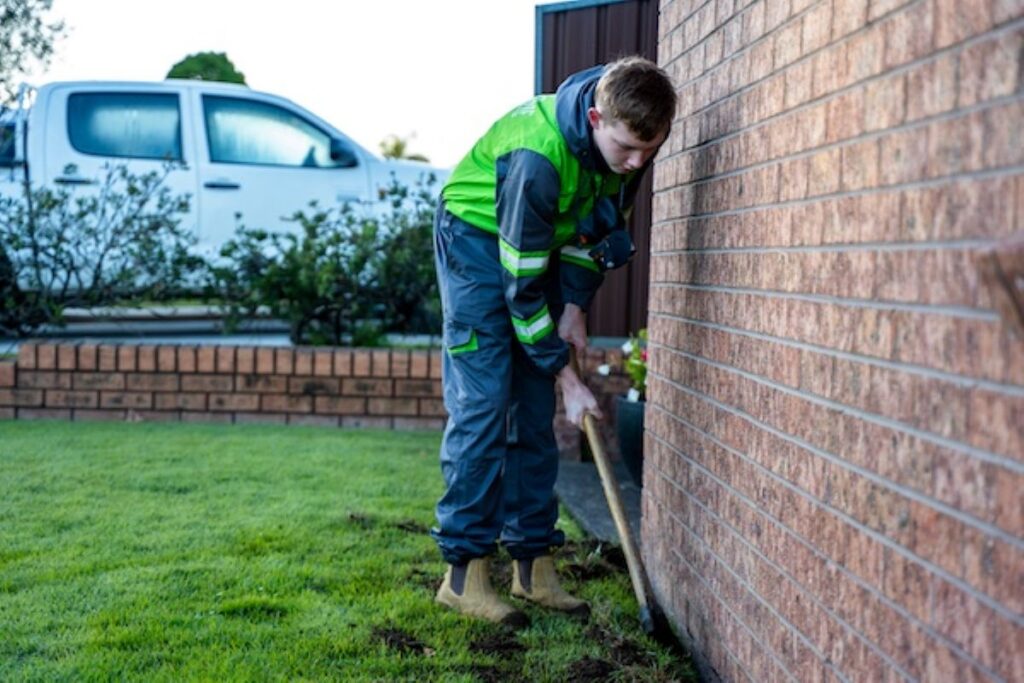
Quarterly treatments can suit properties with dense vegetation, older structures, recurring pest issues, or known rodent pressure. This can include targeted monitoring points such as rodent stations and ant bait checks.
Keeping a simple record of sightings and where activity occurs helps refine the plan over time. Client-specific scheduling is often the best way to stay affordable without sacrificing standards.
Termite inspections and termite management frequency
Regular termite inspections are commonly recommended annually, and sooner if risk factors are present. If termite baiting or barriers are installed, monitoring and maintenance intervals should follow the agreed plan and site conditions.
Early detection matters because termites can cause extensive damage before visible signs appear. A professional assessment helps you choose the right termite strategy rather than relying on assumptions.
Businesses and strata properties (ongoing programmes)
Businesses and strata sites often need more frequent service due to foot traffic, waste handling, shared walls, and compliance expectations. Many sites suit monthly or bi-monthly programmes, with food venues typically needing closer oversight than offices.
Discreet scheduling and a consistent, timely approach help minimise disruption to staff and residents. Documentation and reporting can also support audits, landlords, and strata requirements.
When Should You Call a Professional Pest Control Service in Box Hill?
A single pest sighting is not always an emergency, but repeated activity or clear warning signs usually means there is an active infestation. A licensed provider brings proven methods, safe application, thorough inspections, and long-term prevention rather than quick fixes.
If urgent pests are involved, some teams offer same-day pest extermination for issues such as bed bugs or heavy cockroach activity, where offered and available.
You see repeated activity (even after DIY)
If you see cockroaches nightly, ants return within days, or spider webs keep reappearing indoors, the source is likely untouched. DIY often fails due to incorrect product choice, poor placement, missed nests, or resistance problems in some pests.
Professional treatments focus on harbourage, breeding points, and follow-up, not just visible pests. Acting early usually prevents a bigger, more expensive problem later.
You spot termite warning signs or have termite risk factors
Mud tubes, damaged timber, bubbling paint, or hollow-sounding wood justify an immediate call-out. Risk is also higher after renovations, ongoing moisture issues, or when timber is in contact with soil.
Termites can cause extensive damage before you notice, so waiting can be costly. A detailed termite inspection should lead to tailored options such as baiting, barriers, and risk reduction steps.
Health, safety, or hygiene concerns
Rodents can contaminate surfaces and escalate quickly, and gnawing on electrical wiring can become a serious hazard. Bed bugs spread fast, and professional treatment includes a structured approach plus preparation steps to avoid scattering.
Cockroach activity can worsen allergy and asthma symptoms, and households with children or pets may prefer eco-friendly options where suitable. For businesses, the reputational and compliance risks alone often justify prompt professional support.
You want a long-term prevention plan (not just extermination)
A long-term plan typically includes inspection, a customised programme, targeted treatment, sealing entry points, and follow-up inspections. The best value usually comes from balancing competitive pricing with high standards, rather than choosing the cheapest quote.
Look for a provider with a consistent and timely approach, clear reporting, and safe methods suited to your property. The simplest next step is to book an inspection so the pest is correctly identified and the plan is built around the real cause.
More to Read : How Often Should Apartments Get Pest Control in the Eastern Suburbs?