
This guide helps property owners weigh clear, practical signs so they can decide with confidence.
Is the system breaking down more often than it used to?
If call-outs are becoming routine, replacement is often the smarter financial move. Frequent breakdowns usually mean multiple components are wearing out at the same time.
A helpful rule is to look at patterns. If the unit fails in different ways each season, it is likely past the point where a single fix restores reliability.
Are repair costs starting to rival the cost of a new unit?
If a major repair is expensive, replacement can offer better value and warranty protection. Many owners use a simple check: if a repair is significant and the system is older, replacement tends to win.
They should also factor in the hidden cost of repeated service visits, downtime, and the risk of another failure soon after a “big fix.”
Is the air conditioner more than 10 to 15 years old?
Age alone does not force a replacement, but it strongly changes the economics. Many systems in the 10 to 15 year range are less efficient and more prone to failures, especially under heavy summer use. In many cases, homeowners start considering air conditioning repairs Hornsby more frequently during this stage, as performance declines and component wear becomes more noticeable.
If an older unit needs a compressor, control board, or refrigerant-related work, most households will get better long-term results from upgrading.
Is it struggling to cool or heat certain rooms?
Uneven temperatures can mean the system is undersized, ductwork is leaking, or the unit can no longer deliver its rated output. Repairs may help, but persistent hot or cold spots often point to a bigger mismatch between the home and the system.
If comfort issues remain even after servicing and cleaning, it is worth assessing whether a modern, correctly sized system would solve the problem more effectively.

Are energy bills climbing without a clear reason?
Rising power bills can be a sign the air conditioner is working harder to achieve the same comfort. Wear, refrigerant issues, dirty coils, failing fans, and poor efficiency all push consumption upward.
They should compare bills year-on-year for similar weather and usage. If costs continue to rise after a proper service, replacement may provide immediate savings through better efficiency.
Is the system making unusual noises or producing odours?
Grinding, rattling, squealing, or loud buzzing can indicate failing bearings, loose components, or electrical issues. Musty or burning smells may signal mould in the system, blocked drainage, or overheating parts.
Some noise issues are minor, but persistent sounds often mean internal wear. When multiple noise or odour symptoms appear together, replacement becomes a more reliable solution than ongoing patch repairs.
Is it using older refrigerant or facing refrigerant-related problems?
If the system uses an older refrigerant or has recurring leaks, repair decisions become more complex. Refrigerant work can be costly, and repeated topping up is not a real fix.
If leaks keep returning or the unit requires major sealed-system repairs, many owners choose replacement to avoid ongoing costs and to move to a more future-friendly setup.
Does the home need better comfort features than the current unit can deliver?
Replacement is not only about failures. Many households replace to gain quieter operation, zoning options, improved humidity control, better filtration, or smart thermostat compatibility.
If the current unit cannot deliver the control or comfort they want, investing in a new system can improve day-to-day living even if the old unit is still running.
Should they repair or replace if the unit still turns on?
If the unit turns on but performs poorly, the decision should be based on total cost, reliability, and comfort, not just whether it powers up. A system can run while still wasting energy and delivering inconsistent temperatures.
A clear approach is to request a condition report and quotes for both paths. When repair restores reliable performance at a reasonable cost, repair makes sense. When it only delays the next failure, replacement is usually the better choice.
What is the simplest way to decide in Hornsby?
They should base the decision on three factors: repair frequency, total cost trend, and performance. If breakdowns are increasing, bills are rising, and comfort is worsening, replacement is typically justified.
For owners seeking air conditioning repairs in Hornsby, the best next step is a professional assessment that includes efficiency, likely future repairs, and whether the system is correctly sized. That makes the repair-versus-replace choice far clearer.
FAQs (Frequently Asked Questions)
How do I know if my air conditioning system in Hornsby is breaking down too often?
If your air conditioner requires frequent call-outs and fails in different ways each season, it likely indicates multiple components are wearing out. This pattern suggests that a single repair may no longer restore reliability, making replacement a smarter financial move.
When should I consider replacing my air conditioner instead of repairing it?
Consider replacement if repair costs start to rival the price of a new unit, especially for older systems. Factor in hidden expenses like repeated service visits, downtime, and the risk of further failures after major repairs. Replacement often offers better value and warranty protection in such cases.
Is my air conditioning unit too old to keep repairing?
Air conditioners aged 10 to 15 years or more tend to be less efficient and prone to failures, particularly during heavy summer use. If your older unit requires major repairs like compressor or refrigerant work, upgrading usually yields better long-term results.
What does uneven cooling or heating in my home indicate about my air conditioner?
Uneven temperatures can signal that the system is undersized, ductwork is leaking, or the unit can’t deliver its rated output. Persistent hot or cold spots after servicing suggest a bigger mismatch between the system and your home’s needs, where a modern, correctly sized unit might solve comfort issues more effectively.
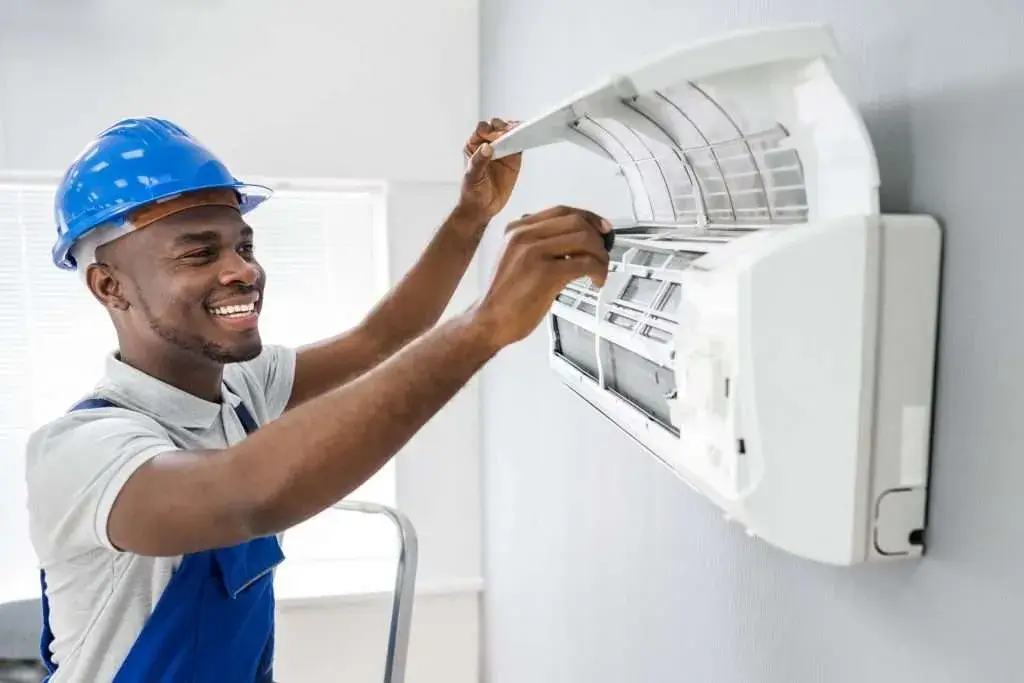
Why are my energy bills rising even though my air conditioner seems to be working fine?
Rising energy costs—despite normal operation—often indicate declining system efficiency rather than an obvious fault. Contributing factors may include refrigerant imbalances, dirty coils restricting heat exchange, worn fan motors, or general component degradation forcing the system to work harder to maintain set temperatures.
A practical approach is to benchmark energy bills year-on-year under comparable weather conditions. If costs have increased following recent servicing or the unit is ageing, it’s worth exploring energy-efficient air conditioning upgrade options to reduce ongoing operating expenses and improve performance consistency.
What should I do if my air conditioning system makes unusual noises or produces strange odors?
Abnormal sounds such as grinding, rattling, or buzzing typically point to mechanical wear—like failing bearings or loose internal components—while musty or burning odours may indicate mould growth, blocked condensate drainage, or overheating electrical parts.
When these issues persist, they often signal internal deterioration beyond minor fixes. In such cases, engaging a professional air conditioning inspection and fault diagnosis service is critical to determine whether targeted repairs are viable or if full system replacement will deliver better long-term reliability and cost control.